If you’re planning to move to Australia and start a new life, you’re not alone and you’re not underestimating the challenge. Finding a job as a newcomer can feel like a maze of unfamiliar systems, cultural norms, and paperwork.
The good news? There’s a proven path and it’s a lot clearer than you might think.
Whether you’re an experienced professional, a recent graduate, or someone who’s landed a visa and just needs to get working, here’s what you need to know to land a job in Australia and avoid the most common (and costly) mistakes.
1. Understand the Visa Landscape Before You Apply
If your visa isn’t right, you won’t get through the door.
Before you start applying for jobs, you need to know what type of work your visa allows—and what employers are willing to sponsor. Some of the most common visa pathways include:
- Skilled Independent (subclass 189) – for qualified professionals with no sponsor.
- Employer Nomination Scheme (subclass 186) – permanent residency through an Australian employer.
- Temporary Skill Shortage (subclass 482) – temporary sponsorship in high-demand fields.
- Graduate (subclass 485) – if you’ve recently finished study in Australia.
- Working Holiday (subclass 417 or 462) – great for short-term roles but can limit long-term options.
Tip: Use the Australian Government’s Visa Finder tool or speak to a registered migration agent early in your process.
2. Translate Your Skills and Experience the Right Way
Australia’s job market values local knowledge, but that doesn’t mean international experience isn’t valued it just needs to be translated properly.
Here’s how:
- Get industry-recognised qualifications: Check if your profession requires accreditation (e.g., law, medicine, engineering).
- Use the right job titles: The terms used in your country may differ. Research Australian equivalents.
- Speak the local language (literally and professionally): Your resume, cover letter, and interview style should reflect Australian expectations – clear, confident, and straight to the point.
Tip: Avoid vague summaries. Employers here value clarity and full employment dates, including months.
3. Tailor Your Resume for the Australian Market
What worked back home probably won’t work here.
Australian resumes are expected to:
- Be 2–4 pages long (more if needed for experienced professionals)
- Clearly state achievements, not just duties
- Include local formatting, such as your suburb and full employment dates
- Avoid jargon or local slang from your home country
And yes – include your phone number. Many jobseekers lose out because hiring managers can’t easily contact them.
Tip: Learn how to beat Applicant Tracking Systems (ATS) – use industry keywords, clean formatting, and standard job titles.
4. Know Where to Find Jobs in Australia
There are two main types of job seekers: active (you’re applying now) and passive (you’re open to better offers).
For both, here’s where to look:
SEEK
Australia’s biggest job board. Start here if you’re actively applying.
- Use the classification and keywords filters wisely.
- Set up job alerts.
- Don’t forget to follow up – yes, calling matters.
Best for passive job seekers or skilled professionals building their network.
- Optimise your headline and summary.
- Connect with people in your industry.
- Turn on “Open to Work” (with caution, some employers can see it).
Pro Tip: Research the Australian job title for your role. A “Project Manager” in one country might be a “Team Lead” or “Coordinator” here.
5. Ace the Interview, the Australian Way
Aussie employers look for three things:
- Clear communication
- Cultural fit
- Confidence without arrogance
They’ll ask you:
- Why are you moving here?
- What’s your expected salary? (Give a clear number, not a range.)
- What are your weaknesses? (Be honest—but strategic.)
And yes, your enthusiasm matters. Australians want to hire someone who’s genuinely excited about the job, not just desperate for a visa.
Final tip: Follow up with a thank-you email. It shows professionalism and leaves a strong impression.
Want the Full Playbook?
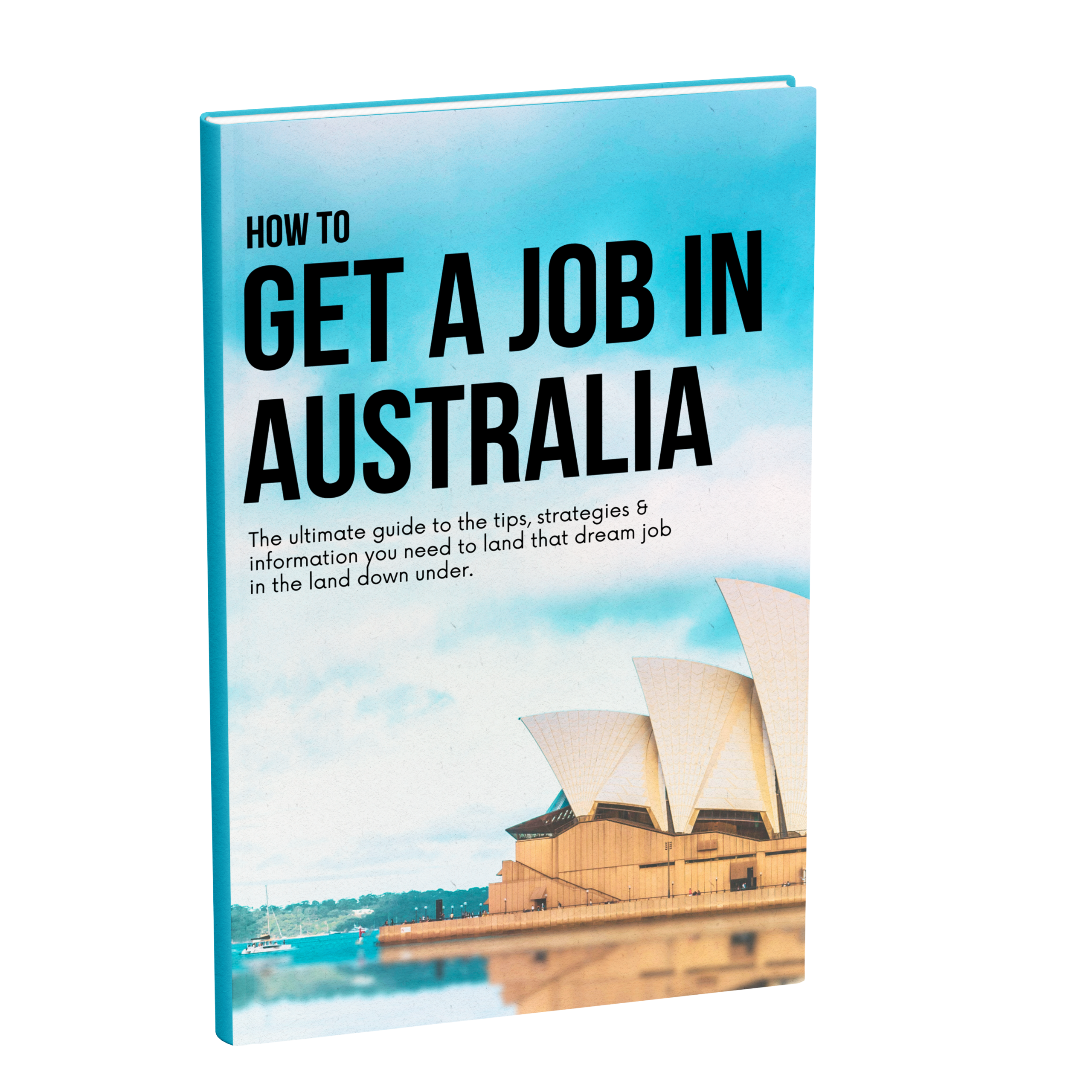
This blog just scratches the surface. If you’re serious about moving to Australia and want the exact, step-by-step system that recruiters use to coach international job seekers into high-paying roles, check out the book – How to Get a Job in Australia by Aaron Matrljan and Brett Clemenson.
You’ll get insider advice on:
- Writing winning resumes and cover letters
- Understanding how employers actually think
- Visa traps and how to avoid them
- Where international applicants waste months on the wrong things
Get the full guide, sharpen your strategy, and make your move with confidence.